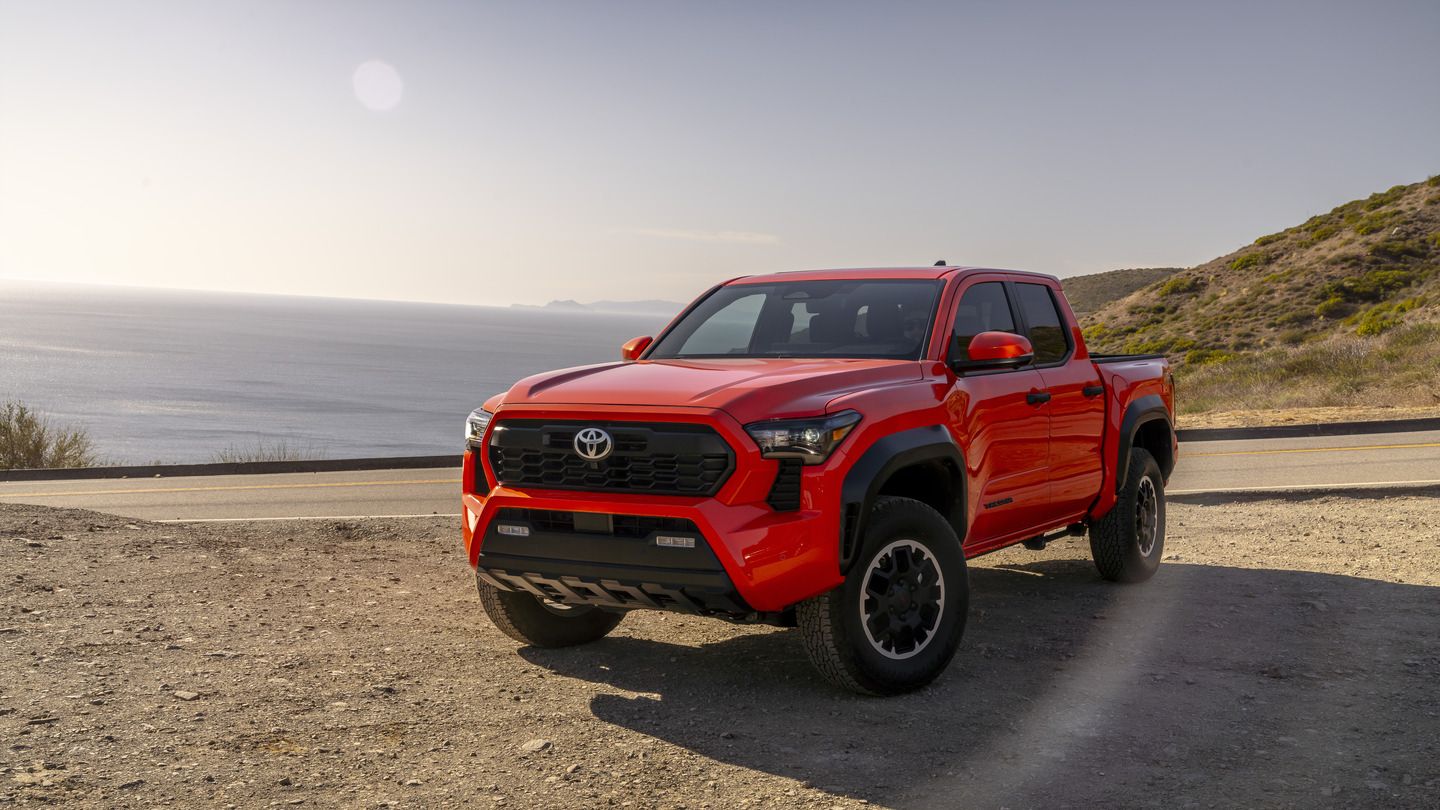
Six-Speed Manual: Which 2026 Toyota Tacoma Models Still Offer One?
If you’re shopping the 2026 Tacoma in Ontario because you want to actually row your own gears, the lineup can be confusing. Toyota builds 14...
Read more
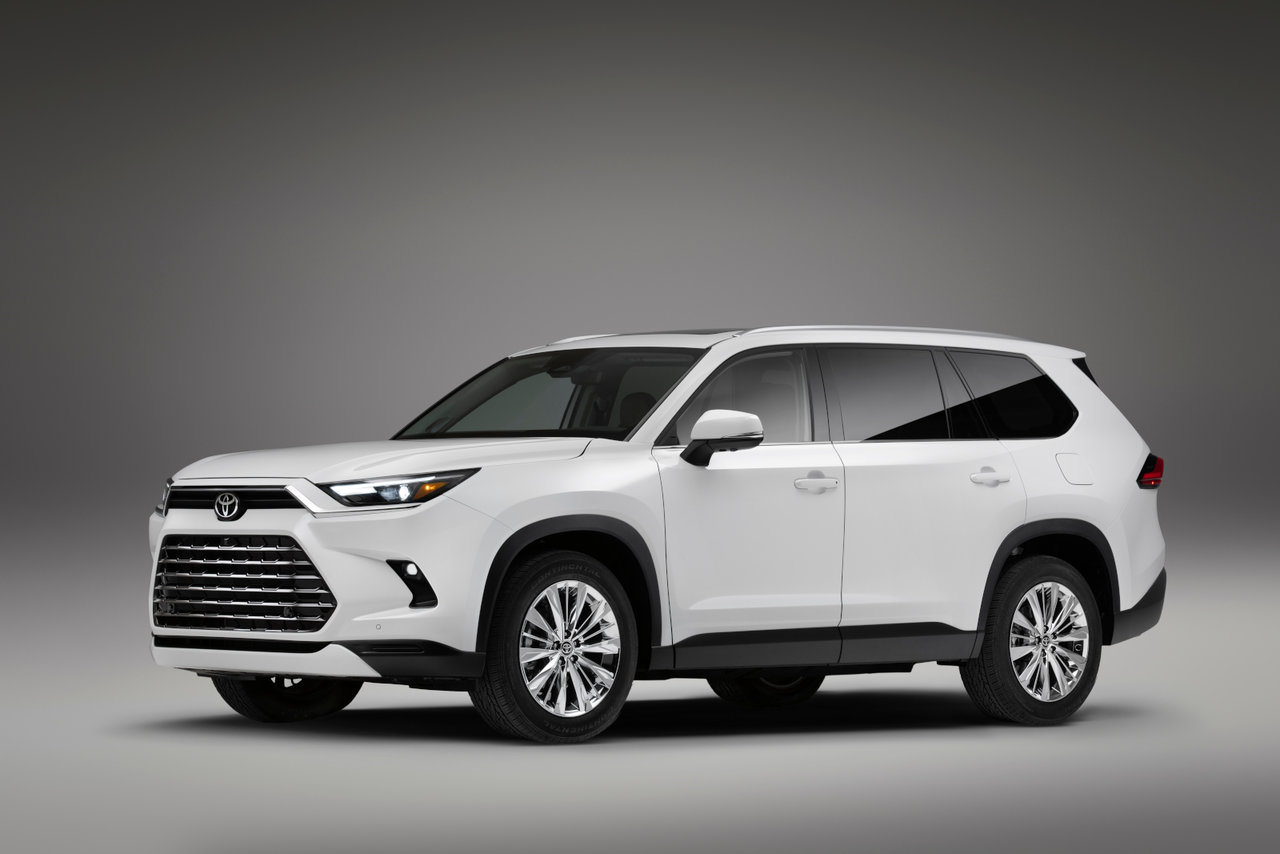
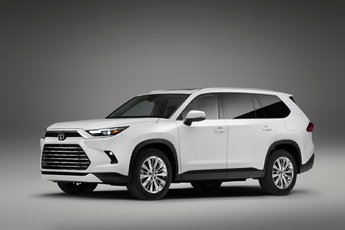
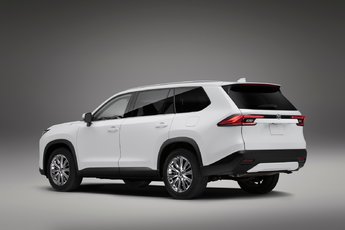
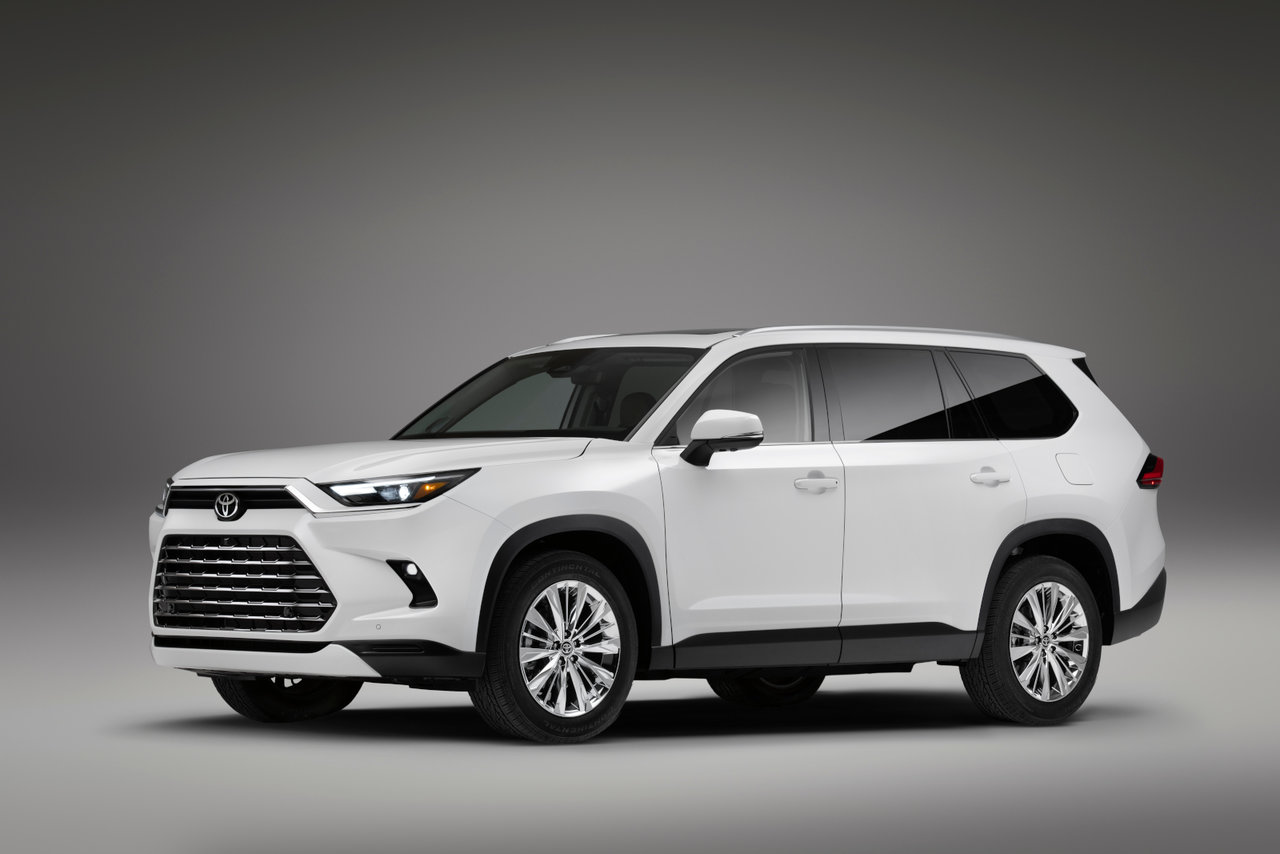
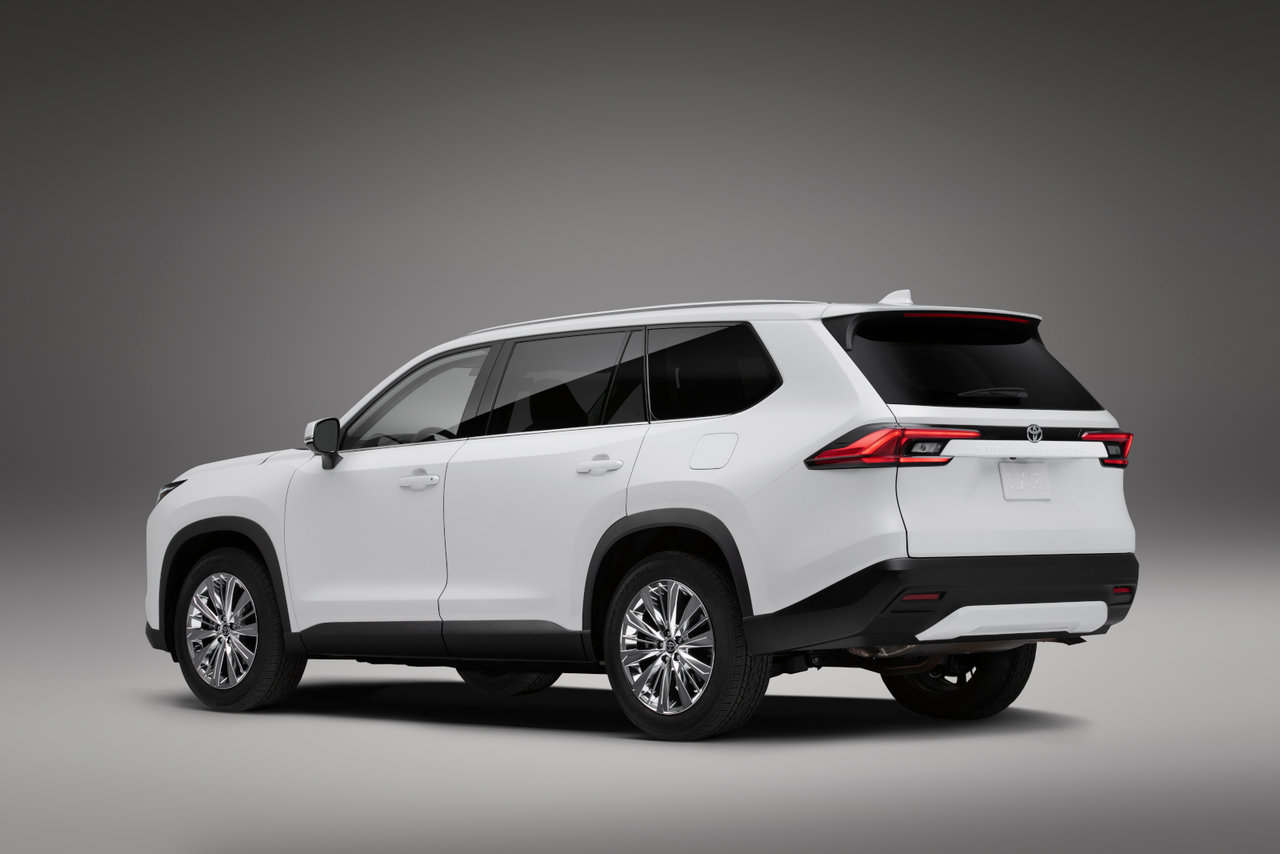
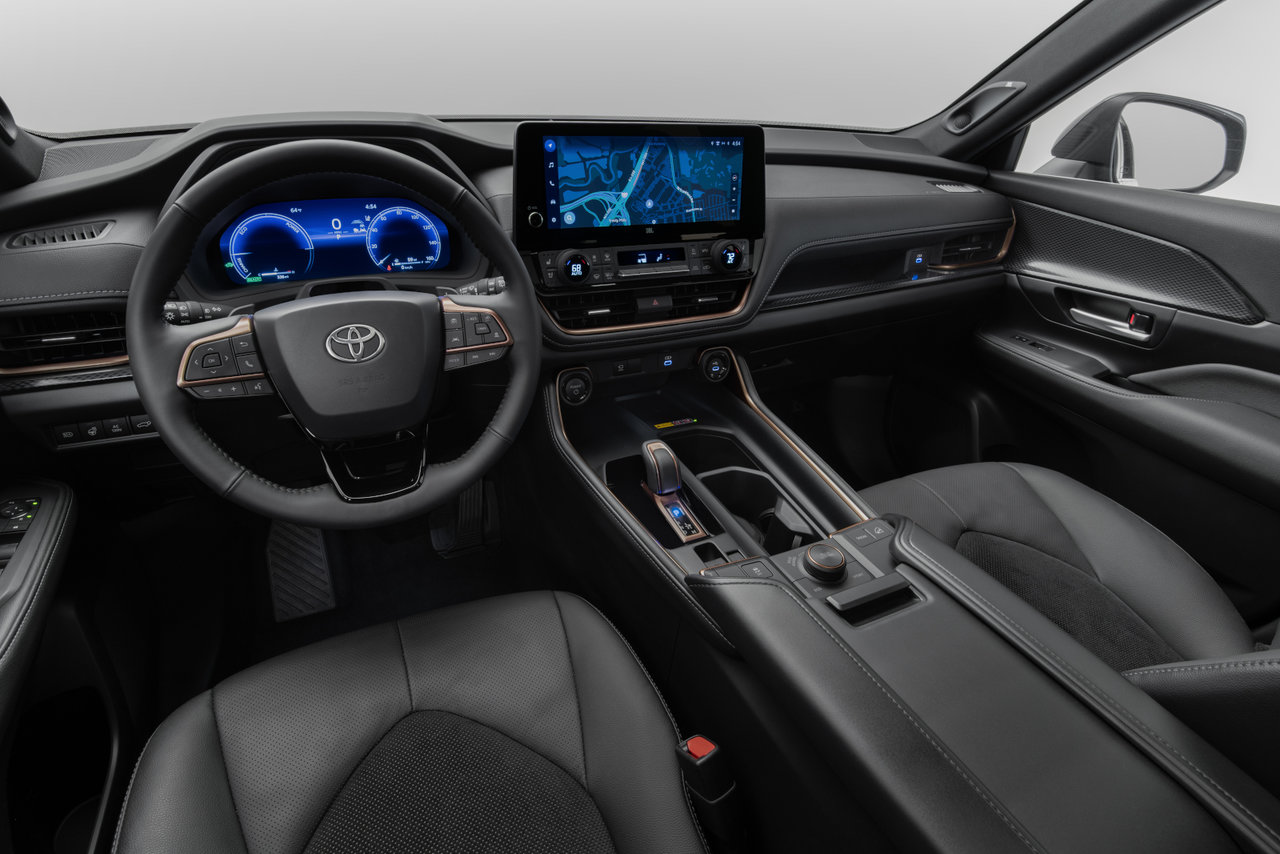
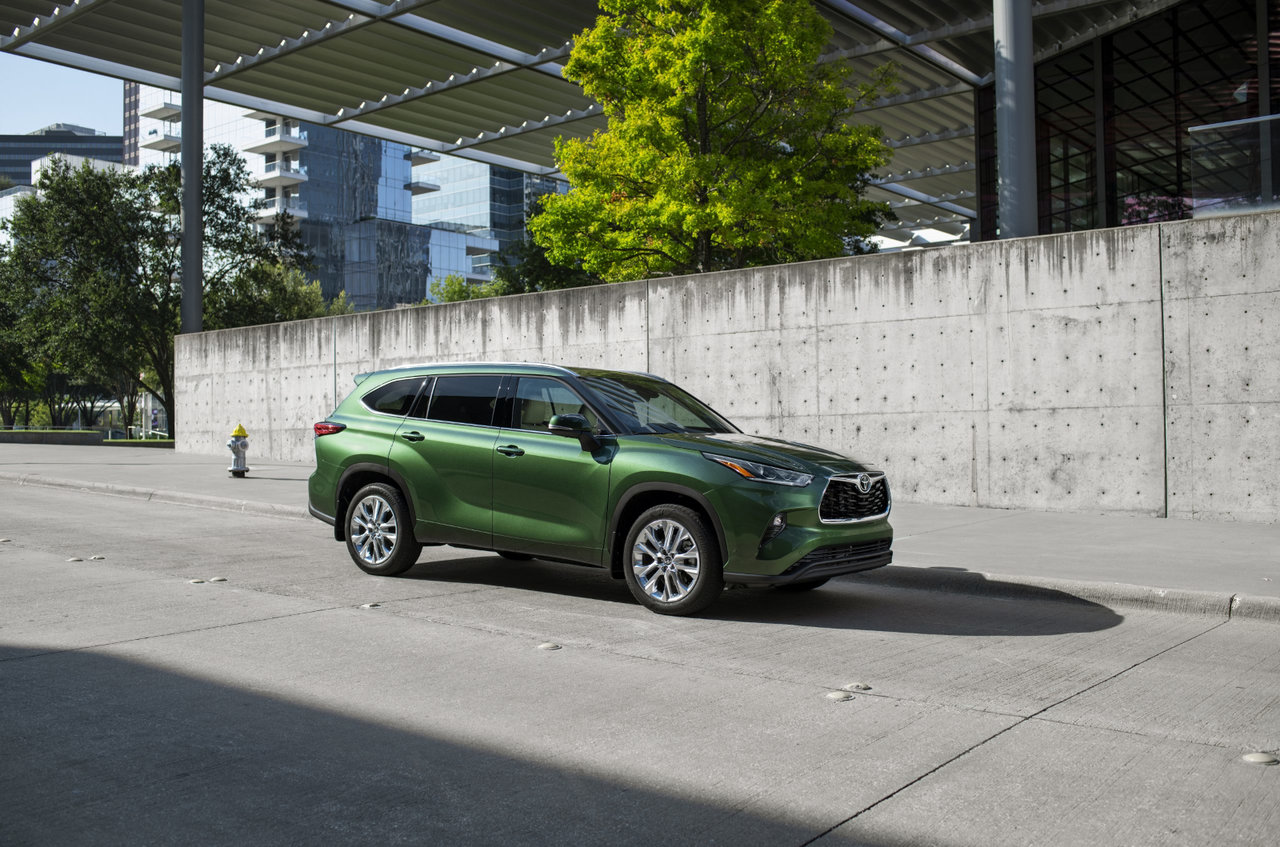
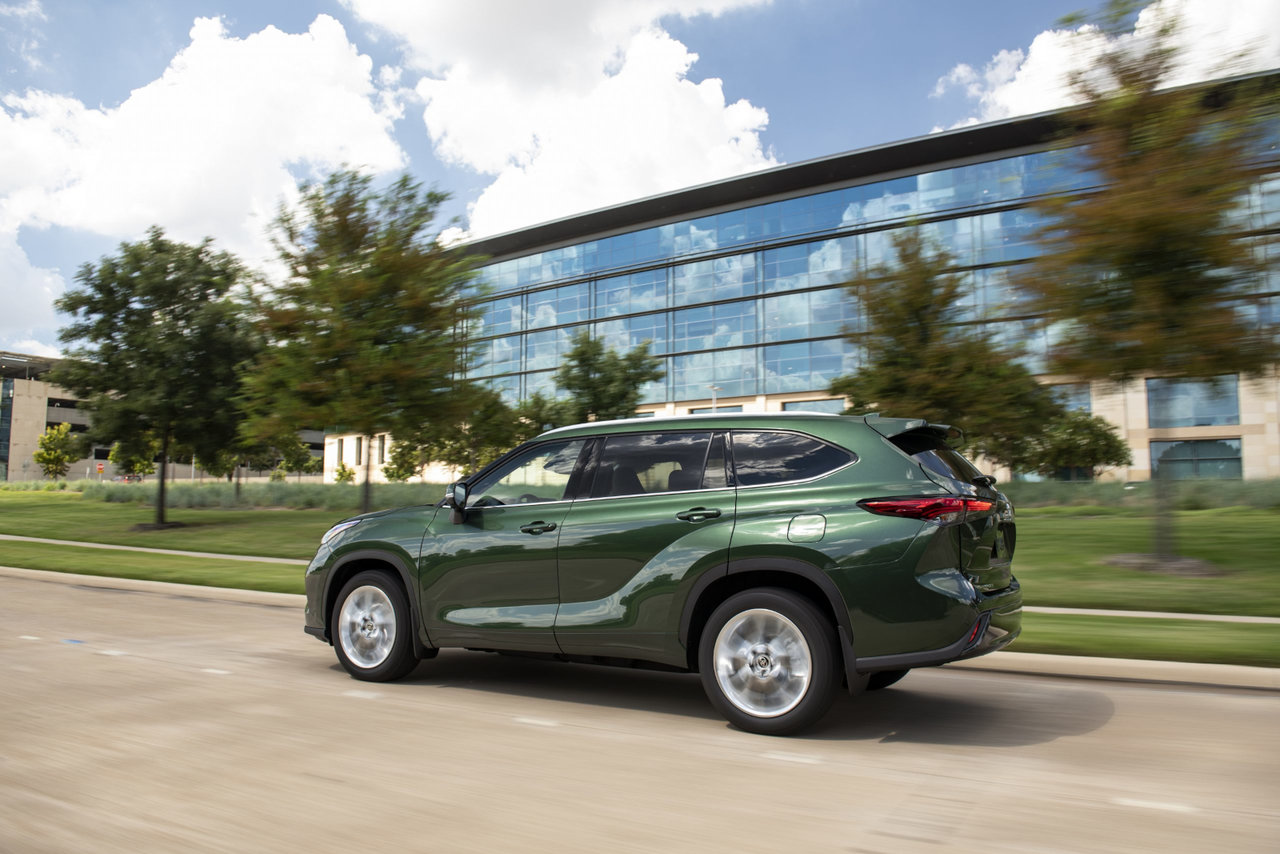
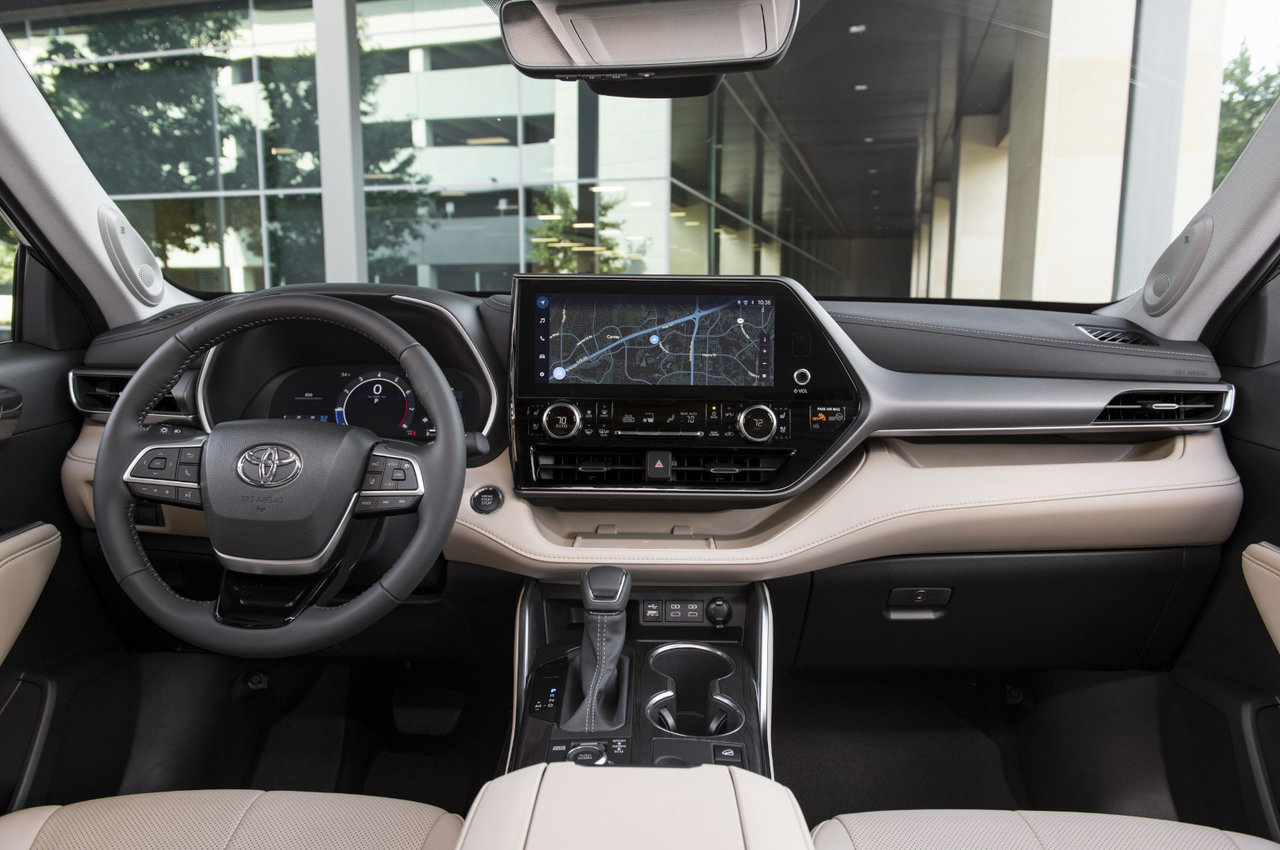
The 2023 Toyota Grand Highlander was introduced to the market last month while the 2023 Toyota Highlander received significant changes a few months ago. Both models have a lot to offer including impressive versatility, a lot of advanced safety and connectivity technologies, and available hybrid powertrains as well as fuel-efficient and powerful entry-level turbo. Here we compare the new Grand Highlander and Highlander to help you decide which model is right for you.
Powertrain options
The Grand Highlander and Highlander share the same base engine, a refined and efficient 2.4-liter turbocharged I-4 engine that delivers 265 hp and 310 lb-ft of torque through an eight-speed automatic transmission. Both models feature a standard all-wheel drive system as well.
When it comes to hybrid powertrains, the Grand Highlander and Highlander offer two very different options. The Highlander Hybrid is equipped with a 2.5-liter I-4 engine and two electric motors that produce 243 hp and 175 lb-ft of torque. It has a CVT automatic transmission and averages under 8.0 litres per 100 kilometres.
The Grand Highlander Hybrid is the more powerful option, featuring a 2.4-liter turbocharged I-4 plus an electric motor on the rear axle for a combined output of 362 hp and 400 lb-ft of torque. AWD is standard here too. With extra power comes tradeoffs in fuel efficiency, but the Grand Highlander Hybrid reaches 100 km/h in just over 6.0 seconds. The Highlander Hybrid is for those who value fuel economy first while the Grand Highlander Hybrid is designed to deliver impressive performance along with remarkable efficiency.
Interior space
When it comes to interior space, the 2023 Toyota Grand Highlander was designed to offer more interior versatility and more passenger and cargo space than the already very spacious Highlander. Both vehicles can be equipped with either seven- or eight-passenger seating configurations (including optional second-row captain's chairs) and while they offer a similar amount of headroom in the third row, the Grand Highlander provides significantly more legroom - 36.1 inches in the Highlander compared to 37.2 inches in the Grand Highlander, and 28.0 inches versus 33.5 inches respectively. That gives the Grand Highlander nearly as much third-row space as a full-size Toyota Sequoia.
When it comes to cargo capacity, the Grand Highlander has the edge over the Highlander - behind the third row of seats, it offers 566 litres of space compared to 453 litres in the Highlander. With both rows folded down, its capacity rises to 2,747 litres, while the Highlander maxes out at 2,379 litres.
Ultimately, the 2023 Grand Highlander gives you more space and a more powerful hybrid engine. We should also note that it offers the latest Toyota Safety Sense 3.0 suite of active safety technologies while the Highlander has the TSS 2.5 version. On the other hand, we expect the Grand Highlander to be more expensive than the Highlander, so it will all depend on your needs. What is certain is that you can’t go wrong with either model. Give us a call today to learn more!
Six-Speed Manual: Which 2026 Toyota Tacoma Models Still Offer One?
If you’re shopping the 2026 Tacoma in Ontario because you want to actually row your own gears, the lineup can be confusing. Toyota builds 14...
Read more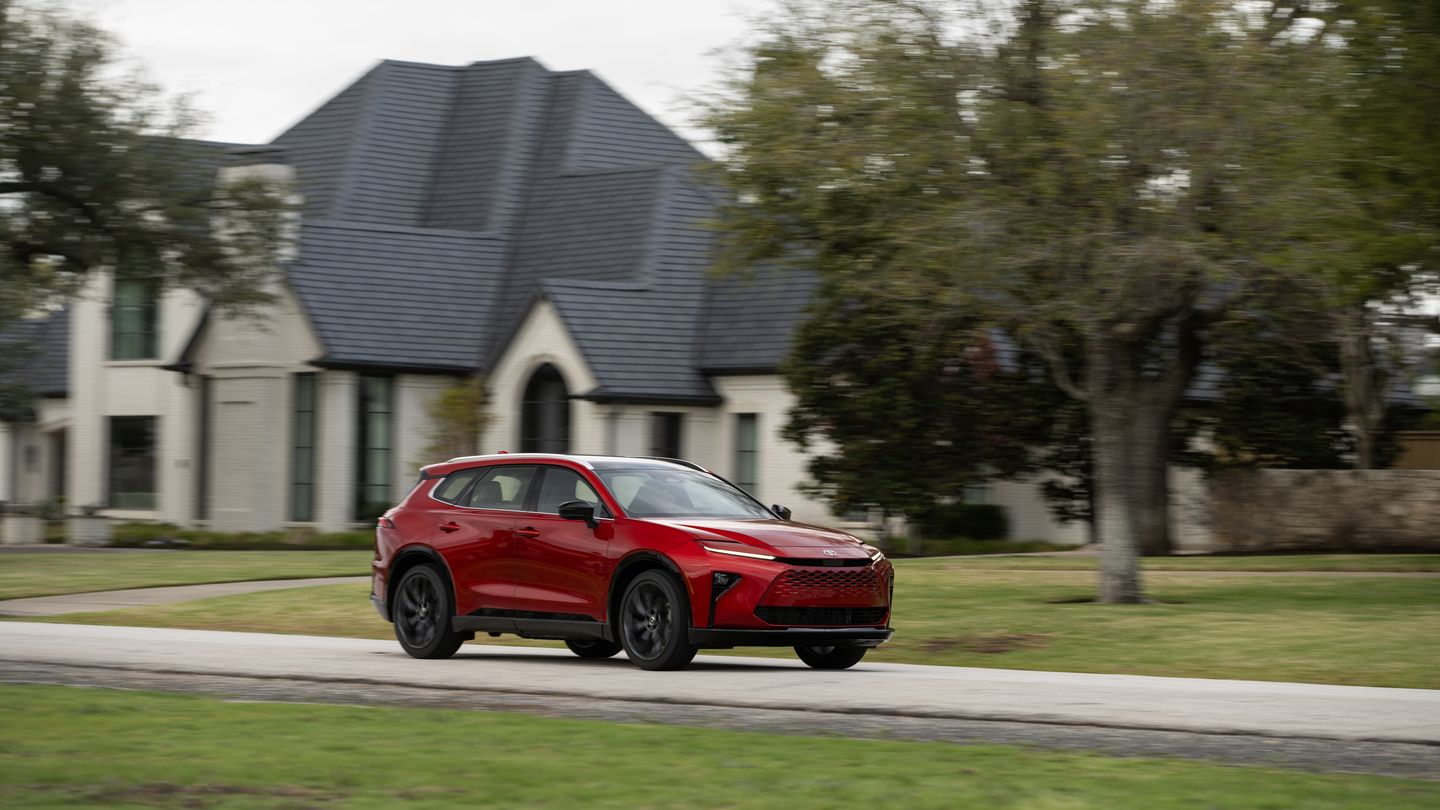
What Electronic On-Demand AWD Adds to the 2026 Toyota Crown Signia
Ontario roads swing from gravel shoulders to rain-slicked highways in the same afternoon. A shopper cross-shopping hybrid SUVs in Ontario often...
Read more
Multi-Terrain Select Explained: How the 2026 Toyota Tundra TRD Off Road Handles Rough Ground
Gravel shoulders, muddy laneways, and rutted cottage roads are part of daily life for a lot of Ontario truck owners. The question is whether a...
Read morePowered and developed by