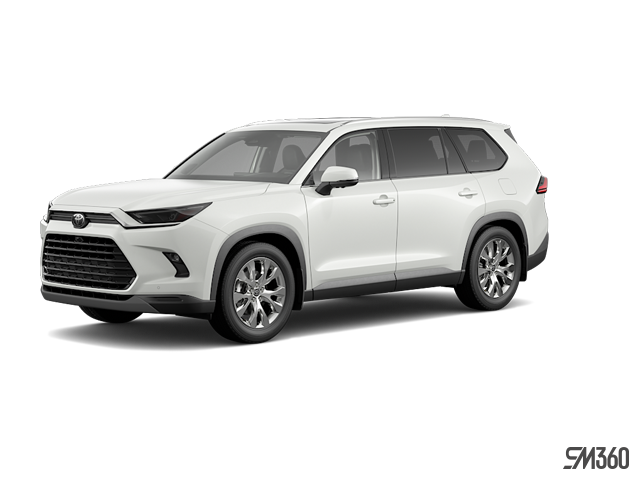
Photo for illustrative purposes only.
Find out more
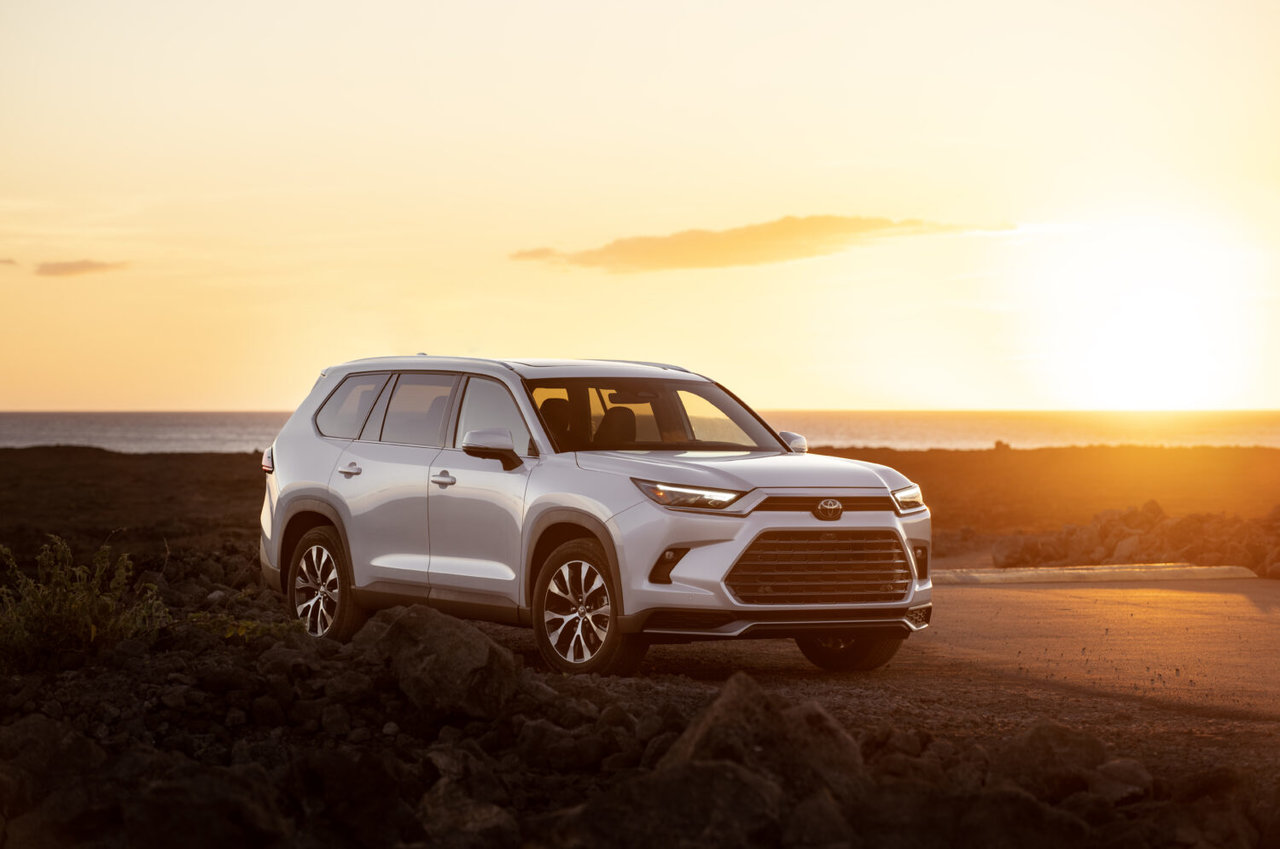
Winter mornings in Whitby and across Durham Region often bring a familiar challenge: thick fog rolling in from Lake Ontario. When visibility drops and road conditions become unpredictable, having advanced safety technology can make all the difference. Toyota Safety Sense is designed to provide an extra layer of confidence during these challenging conditions, helping drivers navigate safely through fog, freezing rain, and other weather-related hazards common to Ontario's waterfront communities.
Understanding how these systems work—and their limitations—helps you make the most of the technology while maintaining safe driving practices. From Pre-Collision System to Lane Tracing Assist, Toyota's suite of driver-assist features is built to support you when conditions deteriorate, though they're never a replacement for attentive, cautious driving.
Toyota Safety Sense 3.0 uses a combination of radar and camera sensors mounted behind the windshield and in the front grille to monitor the road ahead. These sensors work together to detect vehicles, pedestrians, bicyclists, lane markings, and road signs—but their effectiveness can be affected by weather conditions.
In fog, heavy rain, or snow, the system may experience reduced performance or temporary limitations. The front camera, which handles lane detection and road sign recognition, can struggle when visibility drops significantly. Similarly, radar sensors—while generally more weather-resistant than cameras—can be affected by extremely heavy precipitation or when coated with ice, snow, or road spray.
When the system detects that sensor visibility is compromised, you may see a message on the multi-information display such as "System Stopped Front Camera Low Visibility See Owner's Manual." This is the vehicle's way of alerting you that certain functions may be temporarily unavailable until conditions improve or sensors are cleared.
The Pre-Collision System uses a monocular camera and millimeter-wave radar to detect vehicles, pedestrians, and bicyclists ahead of your vehicle and provide warnings if a collision appears imminent. In low-visibility conditions, this system can help alert you to hazards you might not see until it's too late.
However, effectiveness depends on many factors including speed, the size and position of detected objects, and weather conditions. In thick fog, detection range may be reduced, and the system may not always identify pedestrians wearing dark clothing or those partially obscured by weather conditions.
What you need to know:
Lane Tracing Assist works with Dynamic Radar Cruise Control to help keep your vehicle centred in its lane by providing gentle steering inputs. Lane Departure Alert monitors lane markings and warns you if the vehicle begins to drift without signalling.
Both systems require visible lane markings to function properly. In heavy fog, snow-covered roads, or when lane lines are obscured by water, these features may become temporarily unavailable. Enhanced lane recognition in Toyota Safety Sense 3.0 includes detection of certain 3D objects like guardrails, which can help maintain functionality even when traditional lane markings are difficult to see.
Dynamic Radar Cruise Control with Full-Speed Range capability maintains a set speed and automatically adjusts to keep a safe following distance from vehicles ahead. The system can detect multiple preceding vehicles and those in adjacent lanes, allowing for smoother speed adjustments.
In fog or heavy weather, this system helps maintain consistent spacing from the vehicle ahead even when visibility makes it difficult to judge distances manually. The radar sensor is generally effective in rain and light snow, though extremely heavy precipitation or sensor contamination can affect performance.

Automatic High Beam toggles between high and low beams based on detecting the headlights of oncoming vehicles and taillights of vehicles ahead. In fog, this system may need to be manually overridden, as high beams can create glare that actually reduces visibility by reflecting off water droplets in the air.
The system operates at speeds above approximately 34 km/h, but factors such as dirty windshields, variable weather, and lighting conditions will limit effectiveness. During foggy conditions common near the Whitby waterfront, manually controlling your headlights—and keeping them on low beam—is often the safer choice.
Toyota Safety Sense sensors require clear, unobstructed views to function properly. Regular maintenance becomes especially important during Ontario winters:
Before driving in winter conditions:
During your drive:
While Toyota Safety Sense provides valuable assistance, it's designed to support—not replace—attentive driving. The system operates under the assumption that you will drive safely and is intended to help reduce collision impact and assist under normal driving conditions.
Situations in which sensors may not operate properly include:
In these conditions, the system may provide reduced assistance or temporarily disable certain features. This doesn't indicate a malfunction—it's the vehicle recognizing that sensor data isn't reliable enough to safely operate automated functions.
Technology assists, but safe winter driving in Durham Region requires adapting your driving behaviour to match conditions:
Reduce speed significantly: Fog near Lake Ontario can appear and thicken quickly. Slower speeds give you more reaction time and allow safety systems more time to process information.
Increase following distance: Even with Dynamic Radar Cruise Control active, maintain extra spacing from vehicles ahead. The system's detection range may be reduced in fog.
Use low beams and fog lights: High beams reflect off fog and reduce visibility. Low beams and front fog lights (if equipped) provide better illumination without glare.
Avoid sudden manoeuvres: Lane Tracing Assist provides gentle steering support, but sudden lane changes or hard braking can overwhelm the system's ability to assist safely.
Stay alert to system messages: If Toyota Safety Sense indicates reduced functionality, adjust your driving accordingly and don't rely on automated features until conditions improve.
Ice forming on sensors at low temperatures is common in Ontario winters. You may notice warning messages or reduced detection capability until the ice melts. Rather than waiting, take a moment to clear sensors manually:
Once sensors are clear and ice has melted, Toyota Safety Sense will typically return to normal operation automatically.
Understanding how your vehicle's safety systems respond to local weather conditions helps you drive with greater confidence through Durham Region's challenging winter weather. Toyota Safety Sense provides valuable assistance during fog, snow, and freezing rain—but it works best when paired with defensive driving practices and regular vehicle maintenance.
Book a test drive at our Whitby dealership to experience Toyota Safety Sense firsthand and learn how to maximize its effectiveness in Ontario's winter conditions. Our team can walk you through each system's operation and answer questions about maintaining sensor performance throughout the season.
Photo for illustrative purposes only.
Find out more
Six-Speed Manual: Which 2026 Toyota Tacoma Models Still Offer One?
If you’re shopping the 2026 Tacoma in Ontario because you want to actually row your own gears, the lineup can be confusing. Toyota builds 14...
Read more
What Electronic On-Demand AWD Adds to the 2026 Toyota Crown Signia
Ontario roads swing from gravel shoulders to rain-slicked highways in the same afternoon. A shopper cross-shopping hybrid SUVs in Ontario often...
Read more
Multi-Terrain Select Explained: How the 2026 Toyota Tundra TRD Off Road Handles Rough Ground
Gravel shoulders, muddy laneways, and rutted cottage roads are part of daily life for a lot of Ontario truck owners. The question is whether a...
Read morePowered and developed by