Photo for illustrative purposes only.
Find out more
Ontario winters are demanding on vehicles. Snow, salt, freezing temperatures, and rough road conditions take their toll on everything from paint and undercarriage components to fluids and tire rubber. As temperatures rise and roads clear, spring presents the ideal opportunity to assess winter's impact and restore your Toyota to peak condition.
A thorough spring maintenance routine addresses the wear accumulated over months of harsh driving conditions. From inspecting brake components exposed to road salt to checking fluid levels and tire health, these steps help ensure your vehicle remains reliable and safe. Taking time now to address winter-related wear can prevent larger issues down the road and keep your Toyota ready for the driving season ahead.
Winter driving places extra stress on engine oil, coolant, and other vital fluids. Cold starts, short trips, and extended idling can degrade oil quality faster than normal driving conditions. Spring is the time to replace your engine oil and filter, ensuring your engine operates with fresh lubrication as temperatures warm and driving patterns shift.
Check coolant levels and condition. Ontario's freeze-thaw cycles can affect coolant concentration, and any leaks that developed during winter may become more apparent as temperatures rise. Inspect windshield washer fluid reservoirs and top up with a solution appropriate for spring conditions - you'll want effective cleaning power without the extreme cold protection required in January.
Tires endure considerable stress during Ontario winters. Salt, potholes, and temperature fluctuations all contribute to accelerated wear. Remove wheels and visually inspect brake pads, calipers, rotors, brake lines, and hoses. Road salt is corrosive, and brake components are particularly vulnerable to its effects.
Check and record tire tread depth across all four tires. Examine each tire carefully for damage, cuts, bulges, or uneven wear patterns that may have developed over winter. If you run winter tires, now is the time to switch back to all-season or summer rubber. Rotate your tires to promote even wear - this applies when you're running the same size wheels front and rear.

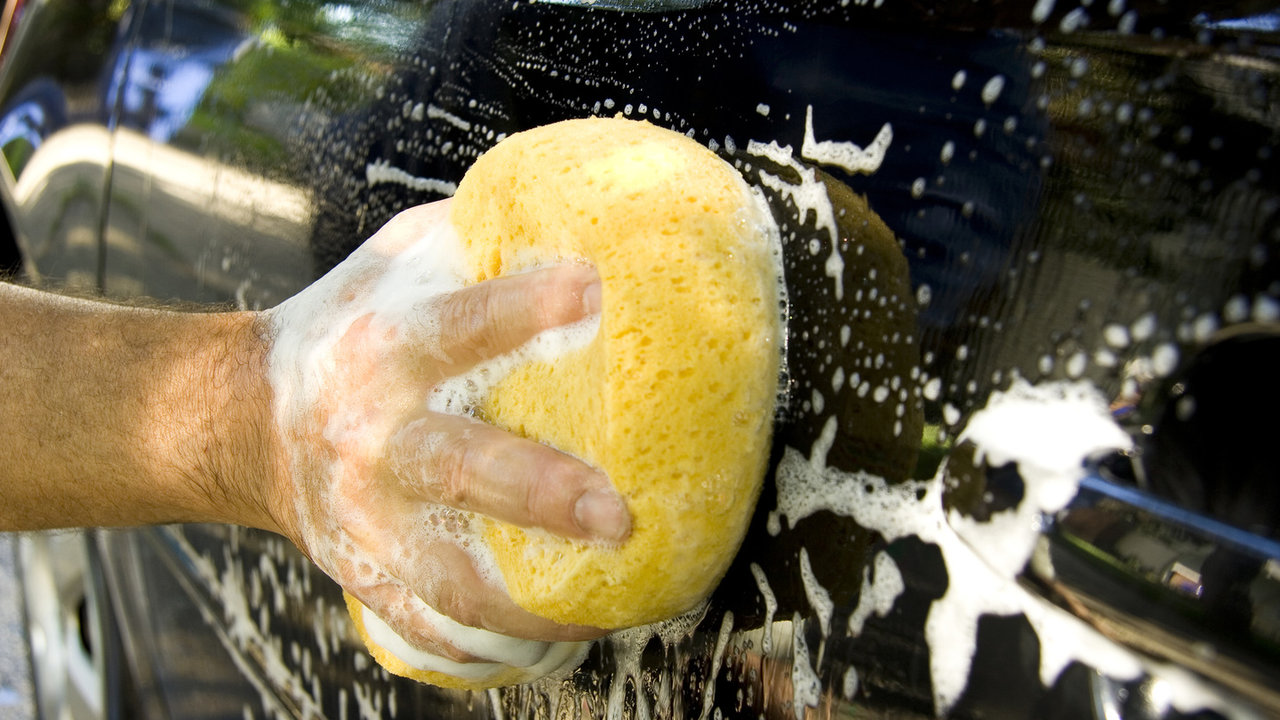
Salt and road grime accumulate on your Toyota's exterior and undercarriage throughout winter. A thorough spring wash should include the underside of your vehicle, where salt residue clings to suspension components, exhaust systems, and the frame. Many car washes offer undercarriage cleaning services, or you can use a pressure washer to flush away accumulated debris.
Inspect your paint for chips or scratches that may have occurred during winter. Address these promptly to prevent rust from developing. Check door seals, window seals, and weatherstripping for damage caused by freezing temperatures. These components protect your cabin from moisture and road noise, and winter conditions can cause them to crack or lose flexibility.
Cabin air filters trap dust, pollen, and debris that enters your vehicle's ventilation system. After months of winter driving, these filters become clogged with road salt, dirt, and other contaminants. Remove and inspect your cabin air filter - if it appears dirty or restricted, replace it to maintain air quality and HVAC system efficiency.
Engine air filters require attention. Winter driving conditions can introduce moisture and debris into the air intake system. Remove and inspect your engine air filter, replacing it if necessary. A clean air filter supports proper engine performance and fuel efficiency as you transition into warmer weather driving.
Shorter winter days mean you've relied heavily on your vehicle's lighting systems. Inspect all exterior lights - headlights, taillights, brake lights, turn signals, and fog lights - for proper operation. Check for moisture inside lens assemblies, which can indicate seal damage from freezing temperatures.
Examine wiper blades, linkage, and washer systems for proper operation. Winter conditions damage wiper blades, and torn or damaged rubber won't clear your windshield effectively. Replace wiper blades if they show signs of wear, and ensure washer nozzles are clear and properly aimed.
Ontario winters demand frequent brake use on slippery roads, and road salt accelerates corrosion on brake components. When you remove wheels for tire rotation, take time to thoroughly inspect your brake system. Look for uneven pad wear, scored rotors, or any signs of brake fluid leaks at calipers or brake lines.
Pay attention to brake performance during your first spring drives. If you notice any changes in pedal feel, unusual noises, or reduced stopping power, have your brake system inspected by a qualified technician.
Spring maintenance is essential for keeping your Toyota reliable and safe after Ontario's demanding winter conditions. Our service team knows the specific challenges winter driving presents and can provide a thorough inspection suited to your vehicle's needs. From fluid changes and filter replacements to brake inspections and tire services, we'll help ensure your Toyota is ready for the driving season ahead.
Visit our team at Whitby Toyota to schedule your spring maintenance appointment. We'll help you address winter wear and keep your vehicle performing at its best.
Photo for illustrative purposes only.
Find out more
Six-Speed Manual: Which 2026 Toyota Tacoma Models Still Offer One?
If you’re shopping the 2026 Tacoma in Ontario because you want to actually row your own gears, the lineup can be confusing. Toyota builds 14...
Read more
What Electronic On-Demand AWD Adds to the 2026 Toyota Crown Signia
Ontario roads swing from gravel shoulders to rain-slicked highways in the same afternoon. A shopper cross-shopping hybrid SUVs in Ontario often...
Read more
Multi-Terrain Select Explained: How the 2026 Toyota Tundra TRD Off Road Handles Rough Ground
Gravel shoulders, muddy laneways, and rutted cottage roads are part of daily life for a lot of Ontario truck owners. The question is whether a...
Read morePowered and developed by